On the Radio
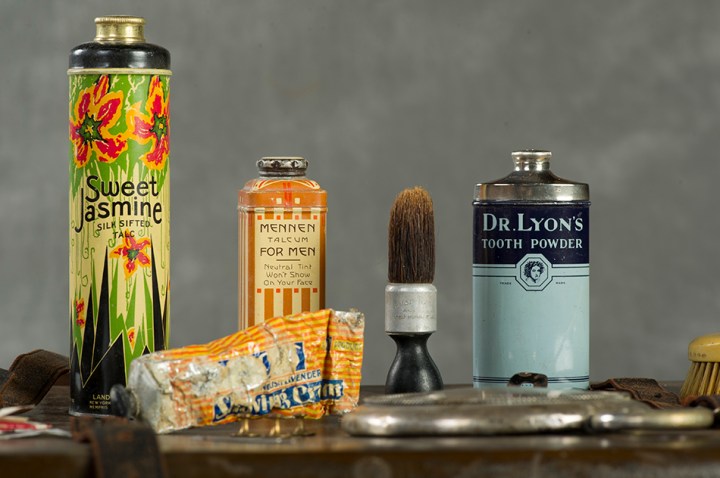
Hi Friends. Sorry for the late notice but I will be on WXXI Rochester today (6 April) at 1:00 PM. (wxxinews.org) I will be talking about the suitcases and will be joined by the amazing Peg Ellsworth who worked at Willard for almost 40 years. The program will also be archived so you can listen later. Thanks!
Link to the Symposium
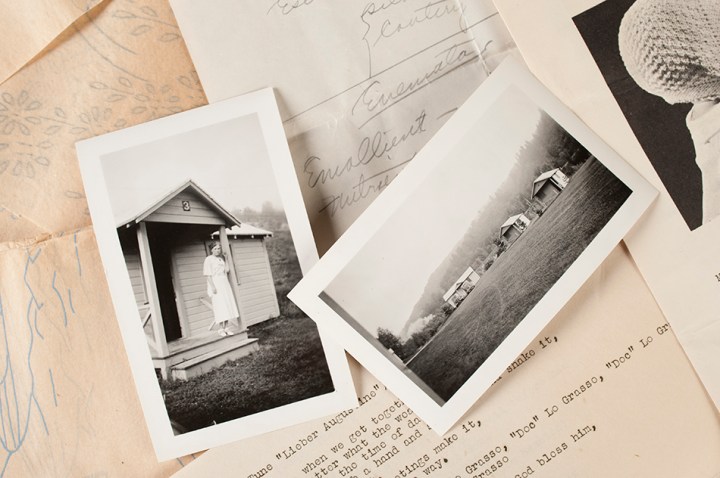
Hi Everyone, here’s the link to the Saturday symposium. Starts at 1:00 PM this Saturday the 19th March. I’ll be speaking fairly early on, just after Craig Williams talks about the history of Willard. Check it out if you can. It should be amazing.
Saint John Fisher College Suitcases Exhibit

Hi Everyone. Just a quick announcement about an exhibit of the suitcase photos at Saint John Fisher College in Rochester, NY. It has been amazing working with the folks there, especially Ryan Thibodeau and Cathy Sweet. The seminar on Saturday the 19th should be amazing and will be streamed on Zoom. I’ll post a link to the url soon.
Best and thanks, Jon
Yiddish Book Center Virtual Talk
Hi Everyone. I am not posting here on WordPress so much as I mostly am doing instagram (@willardsuitcases) and twitter (@willardsuitcase).
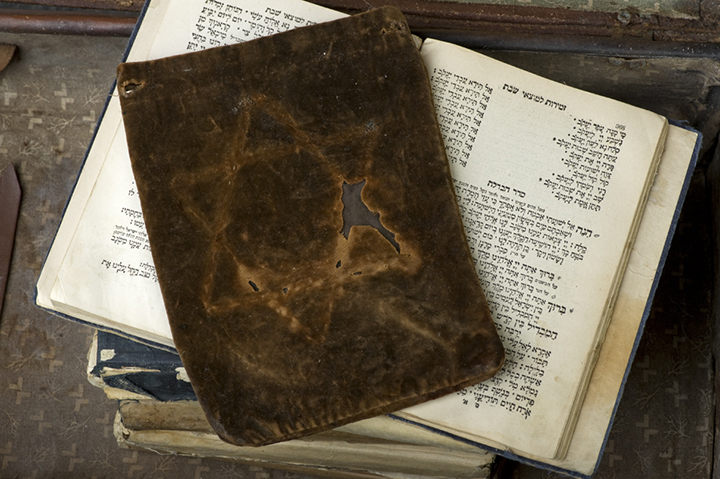
I did want to mention that tomorrow evening, the 2nd of July, I’ll be a part of a Zoom presentation sponsored by the Yiddish Book Center on my new book “What Remains, The Suitcases of Charles F. at the Willard State Hospital”. The book is a collaboration with Ilan Stavans and was officially released today. You can buy it here on Amazon or here at the SUNY Press website.
The talk is open to the public and reservations are needed. Go here to register. If you miss it tomorrow, it will be archived on the Yiddish Book Center website.
Lots of interesting things still going on with the suitcases. I will try to update here more often. Please check out the instagram site as I am posting almost daily there.
Wishing you all good health in these harrowing times. Thanks for following. Jon
Please check this out.
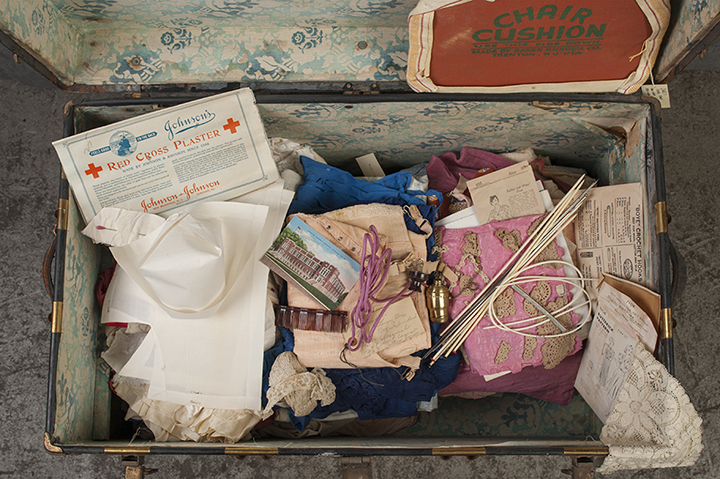
Hi Everyone, Lin Stuhler has been working for the last 10 years to reclaim some respect to the patients at Willard and other New York State institutions. She recently posted this on her site “The Inmates of Willard“. Please read it.
I am really interested in moving ahead with lobbying NY State legislators to sort this issue out. If any of you have ideas on how to proceed or have connections to state legislators, please get in touch.
Thanks for following.
The above photo is from Margaret D.’s collection. It is amazing. Check it out here. There are over 500 photos in the gallery so make sure you click on the 500 link at the bottom. Also if you are on Instagram, I am posting an image almost daily. @willardsuitcases.
Talk at The American Shakespeare Center
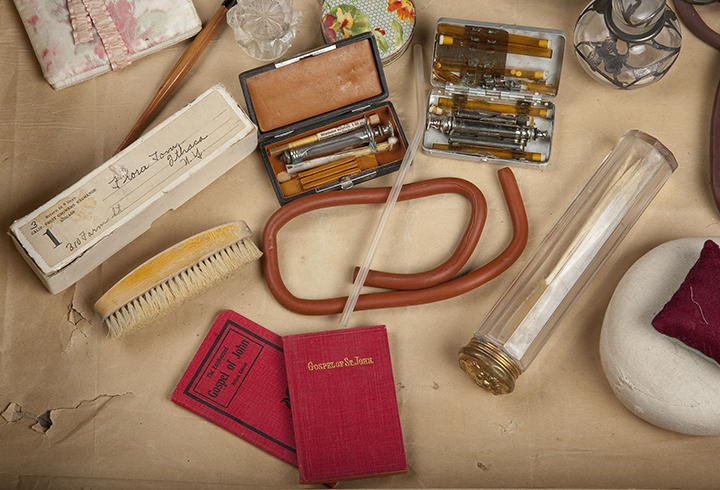
Hi Everyone. I will be giving a talk before the American Shakespeare Center’s production of “The Willard Suitcases” this Friday at 5:00 PM (22 November). The performance begins at 7:30. Tickets are still available, and it would be great to see any of you there. Julianne Wick Davis’s songs are amazing and Ethan McSweeny’s production is very moving.
The Willard Suitcases at The American Shakespeare Center

(That’s me in the middle with the actors.)
I have written before about Julianne Wick Davis’ song cycle based on my Willard Suitcases Project photographs. The piece recently had its premier at the American Shakespeare Center in Staunton, VA and I was lucky enough to be in the area on Saturday evening to catch a performance. Here is a link to Broadway World’s piece on the production. Here is another write up in DC Metro’s Theatre Arts section. I am sure there will be more reviews coming in the next weeks, and if you are interested just do a search for “Willard Suitcases Julianne Wick Davis”.
I was totally blown away by Julianne’s music and by the ASC’s production. Ethan McSweenys’s direction was perfectly respectful of my work on the project, and of the patients featured in Julianne’s songs. It was a really emotional evening for me, and if any of you live in the area (including DC, which is only a few hours away) please make every effort to see this before it closes on the 1st of December. Staunton is a lovely town, and the ASC is remarkable.
I am so proud to have been an inspiration to Julianne and Ethan, and I am grateful for their sensitivity to the Willard patients whose suitcases make up the collection.
A Tale of Two Cemeteries / New School Talk Announcement
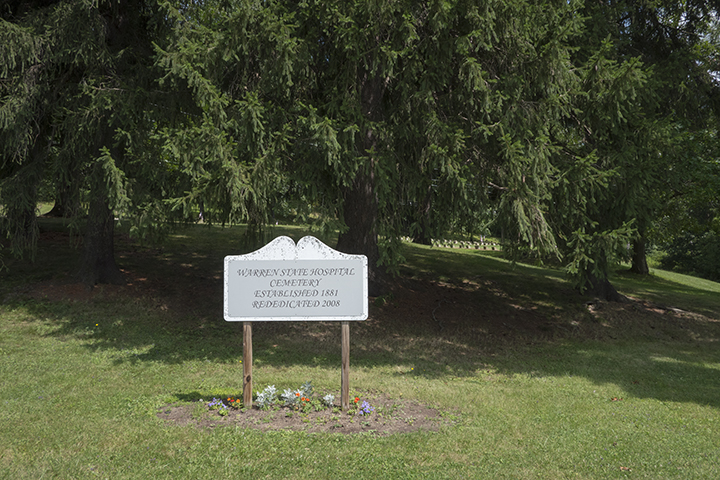
Last week when Peter and I were driving back from Cleveland/Meadville we decided to take back roads up to the Thruway. I had especially wanted to go through North Warren, PA to see the Warren State Hospital. It is only about an hour from Meadville and is a really amazing facility.

It is still an active psychiatric hospital so I wasn’t allowed to photograph, but I was actually more interested in the cemetery.

I have written often about the issue of names in relation to my suitcases project. Especially how the State of New York prohibits the use of full names of the patients in respect to my work and in regards to the hospital cemeteries.

Here in Pennsylvania patient’s names are on the grave stones.

If you were to drive north about 60 miles into New York State and go to the cemetery at the Gowanda Psychiatric Center, you will find an entirely different story.

While there are a few graves marked with names, the vast majority only have numbers. This is mostly due to New York State’s primitive privacy laws, which supposedly protect families from the “shame” of having a relative who was institutionalized.

There are groups throughout New York that are working very hard to memorialize patients who are buried in hospital cemeteries. There is a lovely Helen Keller quote on the memorial stone above, and this cemetery is very well maintained.
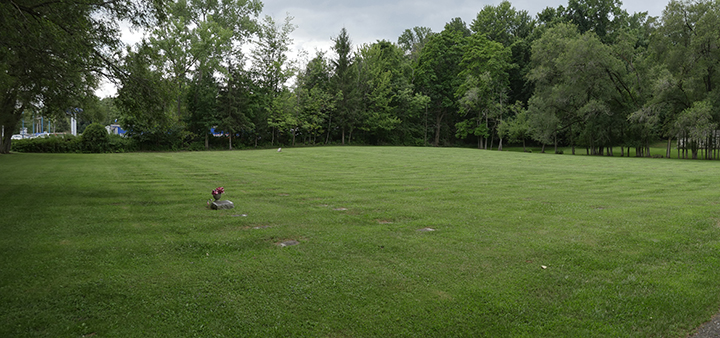
It just seems so wrong to me that New York State continues to stigmatize folks who were patients at state hospitals by basically denying anyone (including families) the knowledge that they existed. Here is a link to another post I did that gives a bit more background on the issue of names. Just don’t try to contact John B. Allen at NYS OMH. He no longer works there.
Thanks for following. I’ll be presenting the suitcases project at the New School on Thursday the 12th of September at 6:00 PM. Here is a link to the announcement, but as of today, the time listed is off. I start speaking at 6:00 and it ends at 8:00. I really hope to see some of you there. It will be interesting.
Willard Suitcases / Charles F. Grave / Ithaca
I have known for a long time now that Charles F. was buried in Ithaca.
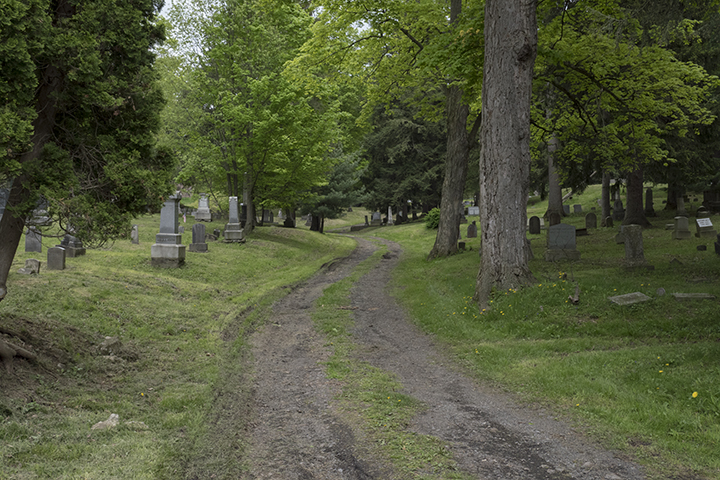
The photo of his grave is the last image that I need for the book Ilan Stavans and I are doing for SUNY Press.

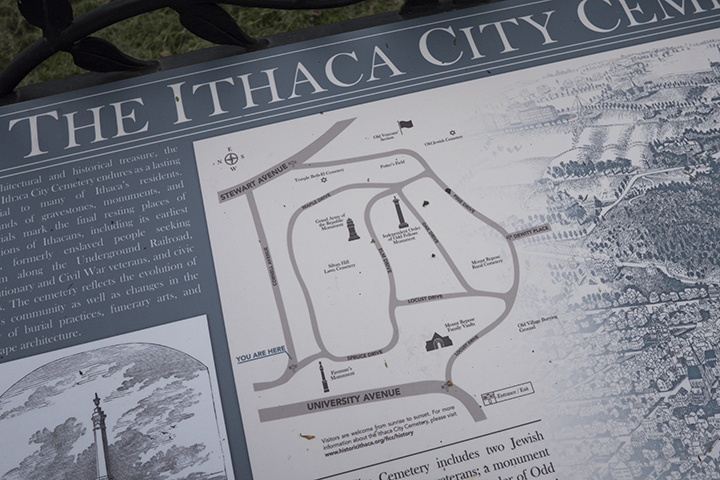
Ilan’s essay is beyond amazing, and I am really happy with the section of the book that has the two of us talking about our feelings about Charles and to the contents of his suitcase. / Searching online I was able to find the location of his grave, but I had no map of the cemetery by which to determine the exact location. This morning I went to the Ithaca Town Hall where a very nice and helpful person gave me the information that I needed.

There are two sections of the cemetery that are reserved for the burial of Jewish folks. When I saw these graves I knew I was getting close.

Charles is buried at the most Southeastern corner of the cemetery.

The fact that (by New York State law) I have to obscure the surnames of the patients is really pissing me off these days. Charles died in 1950 and I think it continues to stigmatize patients to deny who they were. I hear so regularly from family members seeking information about relatives who lived at Willard, and I feel terrible that I can’t help out. New York State law supercedes Federal HIPAA laws about what can be revealed to families and other interested parties. This can only be changed through the legislature, and I am really interested in finding a legislator in Albany to introduce a bill to bring New York State in line with Federal law (the Feds put the cap at 50 years after death, and for New York State the cap is forever). To cover myself here I put these leaves over his name but IT JUST FEELS SO WRONG.

Here’s a view from another angle. Much more pleasing that the previous one showing the buildings in the background.

Peter Carroll came along to shoot some B-Roll as I worked today. We are slowly moving ahead with the documentary on the project. It’s still very early stages, but we are hoping to put up a Kickstarter appeal sometime in the late Summer in order to be able to produce a short piece which we can then preview to funders.
Thanks for following along everyone. I am posting almost daily to the @willardsuitcases Instagram account, so if you haven’t checked it out, please do.
Willard Suitcases/Charles F/News

Happy New Year everyone. And as usual, thanks so much for following along. I wish you all a happy and productive 2019. For many of us 2018 turned out to be a difficult year, but let’s all be positive and look forward.
I first met Ilan Stavans in the late 90’s when the New York Times hired me to photograph him for this article. He and I have kept in touch over the years. I found myself thinking of him while I was photographing Charles F.’s possessions for the Willard Suitcase Project. There seemed to be a connection and so I was able to help Ilan get access to the New York State Museum storage facility to have a look at what Charles brought with him to Willard. Ilan was very moved by what he saw and felt, and on the drive home we spoke about a collaboration, although at the time we had no clear idea as to what would develop.
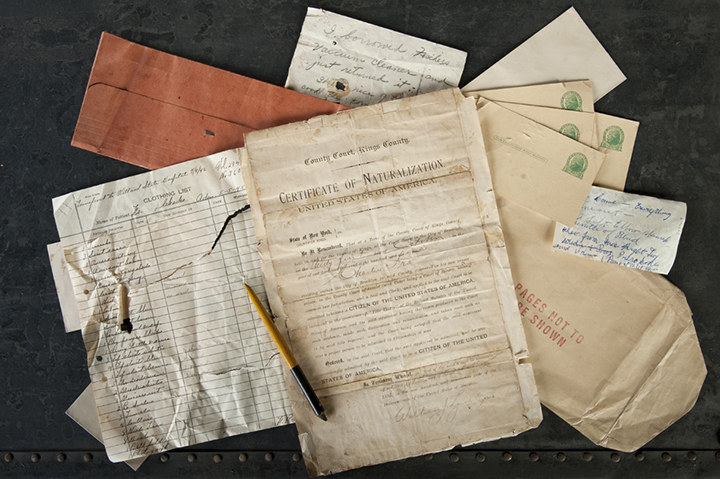
Several months ago we started talking in earnest about what we could each bring to a project about Charles, and it is exciting to be able to say that we have signed a contract with SUNY Press to produce a book. I’ll have more details soon, but we are both really excited about this. We are looking at an early 2020 publication date, which will coincide with an exhibit that will travel.

This is just one of many collaborative efforts that has come out of my work with the suitcases, and it is one aspect of the project that makes me especially happy. It is so nice to have been an inspiration to creative and interesting people and to be a part of their art.
For those of you who are on instagram, I am starting to post suitcase photos @willardsuitcases on what I hope will be a regular basis. You can also still see my goofy side @jonkcrispin.
 Jon Crispin's Notebook
2 comments